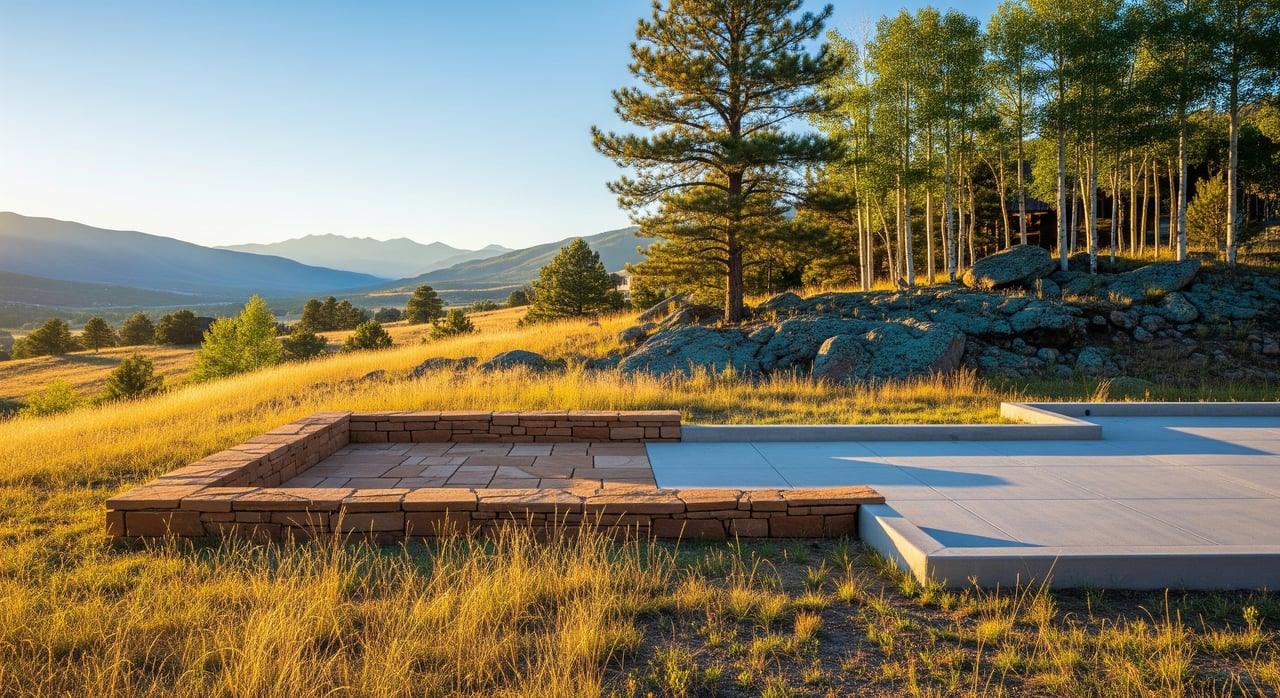
Are you torn between a sunny south-facing lot and a cooler north-facing perch in Skyway? On this hillside below Cheyenne Mountain, the direction your lot faces changes how your home lives in winter, how your driveway behaves after storms, and which outdoor spaces you’ll actually use. That choice also shapes your views, energy use, and landscaping needs. In this guide, you’ll learn the practical trade-offs so you can buy with confidence. Let’s dive in.
Why orientation matters in Skyway
Skyway sits on foothill slopes where grade, aspect, and tree cover create distinct microclimates. Two lots only a block apart can feel very different in January. South-facing slopes tend to warm faster on clear days, while shaded north aspects often hold snow and ice longer.
Winters in the Colorado Springs area bring regular snow and freeze–thaw cycles. The winter sun tracks low across the southern sky, so south aspects capture more direct light during the day. Nights cool quickly at elevation, which lets ice hang around in shaded areas. That is why your lot’s orientation plays an outsized role in comfort and access here.
Winter sun and everyday comfort
Solar exposure basics
Aspect governs how much winter sun a lot receives. South-facing parcels get the most direct light through the day, which helps warm exterior surfaces and interior spaces. North-facing parcels receive limited direct sun in winter and usually stay cooler.
East and west exposures add nuance. Morning sun helps thaw surfaces earlier, while afternoon sun can extend outdoor time after work. Tree canopies, nearby ridges, and rooflines can also tip the balance by casting shade that changes hour to hour.
Heating and passive solar potential
South-facing exposures support passive solar design. With well-placed south windows, overhangs, and some thermal mass, you can capture daytime heat and ease heating demand. North-facing façades lack that direct gain, so they typically need more active heating to maintain the same comfort level.
If you plan solar panels, orientation matters. In the Northern Hemisphere, panels perform best when oriented toward true south at a tilt near local latitude. East and west roofs can still work, but you should expect lower output than an ideal south-facing array.
Daylight and interior layout
South-facing living areas feel brighter on winter days and often become natural gathering spaces. North-facing rooms offer a softer, more consistent light that some people prefer for studios or offices. If you lean toward a north-facing lot, consider how interior layout and window placement can balance light and warmth.
Snow and ice behavior
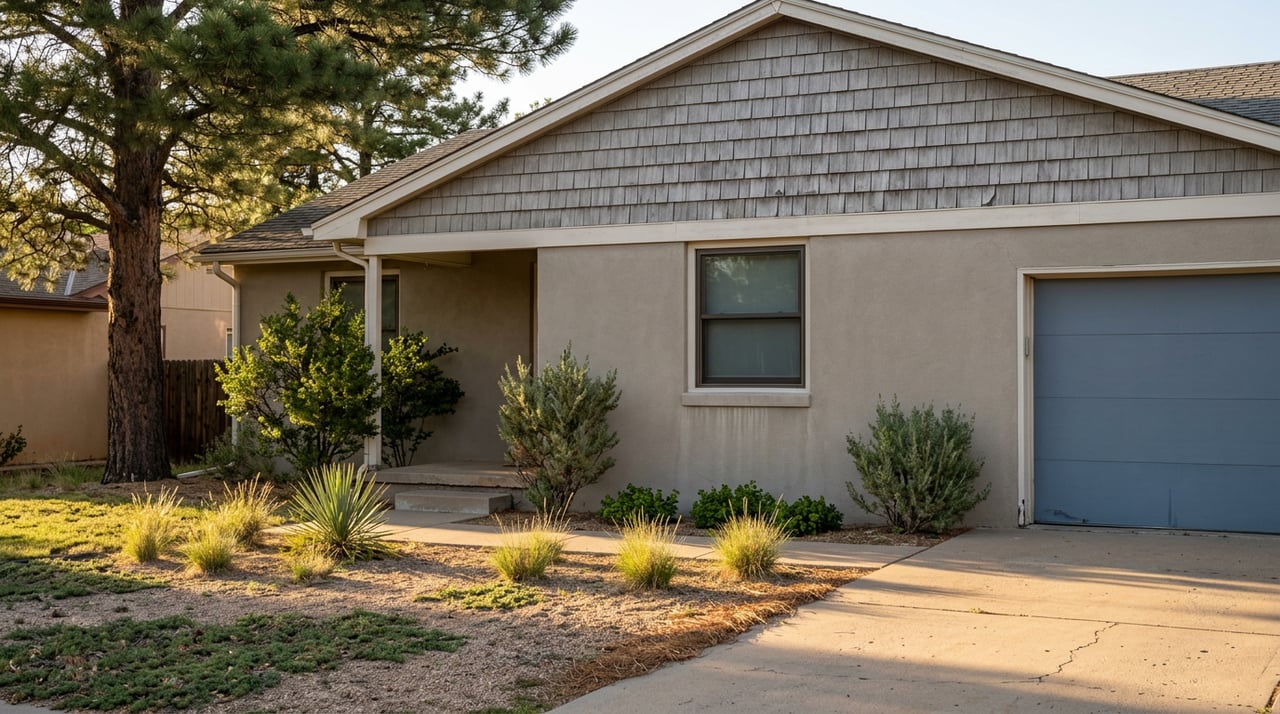
Sun drives melt. South-facing driveways, walks, and decks typically thaw faster after a storm. North-facing surfaces, or any area shaded by terrain or trees, can stay icy for days. The slope angle and canopy density can override a simple compass reading. A gentle south aspect under dense evergreens may behave like a shaded north lot.
Driveways and winter access
Grade and aspect
Driveway orientation influences how fast ice clears. A south-facing driveway may see regular midday sun that breaks up packed snow. North-facing or heavily shaded drives often require more frequent clearing.
Slope is critical. Steep uphill approaches are challenging in icy conditions no matter which way they face. Vehicles need traction for both climbing and braking, so aim for a moderate grade if you want consistent winter access. Ask your builder or engineer about practical grade limits for your design.
Snow removal, storage, and drainage
Think through where you will push or blow snow. Piling in sun-exposed zones helps it melt faster, but you must manage runoff. Water that drains to low spots can refreeze into slick patches overnight.
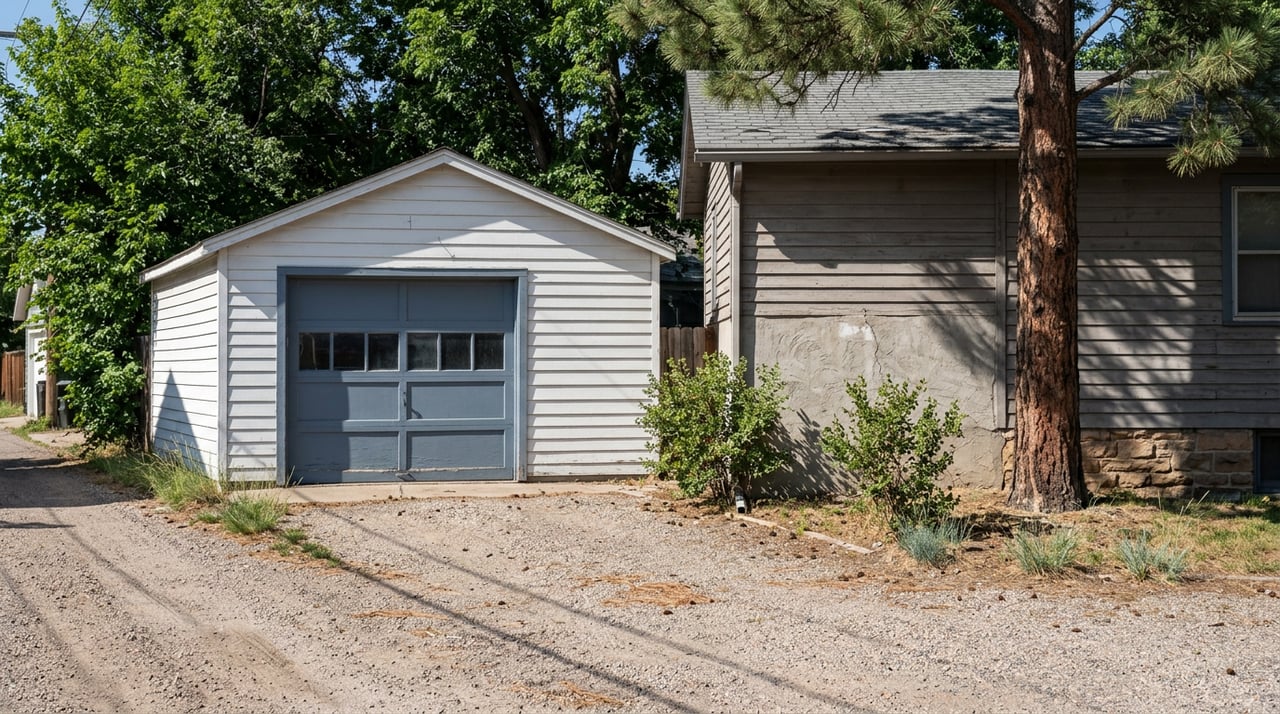
Good driveway drainage should move water away from the home and away from areas that collect ice. Long or steep drives may justify a snowblower, a compact plow, or a removal service. Also confirm who maintains the connecting road and how often it is plowed.
Snowmelt systems and alternatives
Heated driveways, either hydronic or electric, reduce slip risk and labor on steep or shaded approaches. They require upfront investment and ongoing energy, so design them with slope, load, and drainage in mind.
If a full system is not in the plans, target the trouble spots. Textured or porous surfaces can improve traction. Heated mats on steps and short runs can keep key paths clear. In severe conditions, winter tires or chains may be the most practical short-term solution on steep grades.
Views, outdoor living, and landscape stability
View corridors and privacy trade-offs
Orientation affects what you see from decks and windows. In Skyway’s folds and ridgelines, a south-facing terrace may frame the Cheyenne Mountain backdrop, while a north-facing balcony might pick up city lights. Walk the lot at different times of day to understand what the topography and trees reveal.
There is a trade-off between views and sun. If your favorite view faces north or west, you may give up some winter warmth. If you prioritize winter solar gain, you may accept a different vista depending on the lot.
Outdoor usability and microclimates
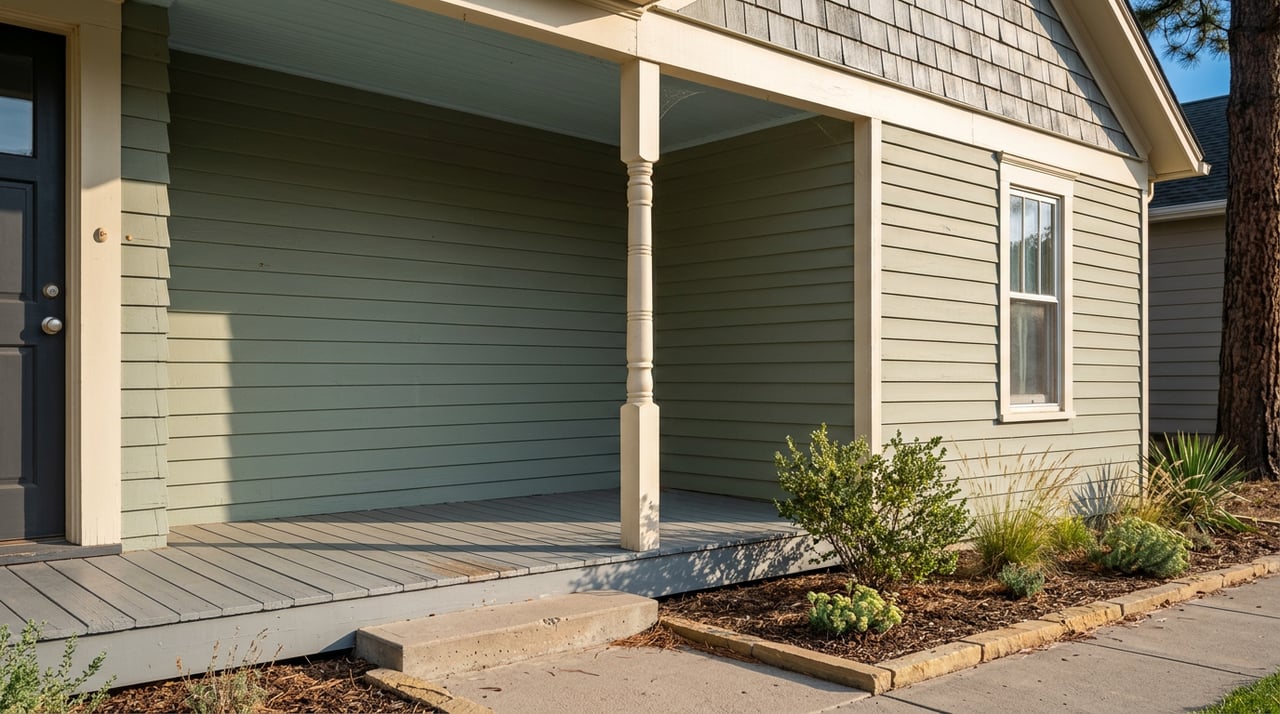
South-facing patios and decks are usually usable earlier in spring and later into fall. They capture daytime warmth on clear days even when air temps are cool. North-facing yards stay cooler and can hold snow longer. That can be great for shade-loving landscaping or winter recreation, but it shortens shoulder-season patio time.
Wind exposure matters too. Exposed ridges feel colder and can limit outdoor use. Windbreaks, walls, and plantings can make a significant difference in comfort.
Landscaping, erosion control, and plant selection
Hillside properties often need terraces, retaining walls, or erosion-control plantings to keep slopes stable. Proper grading and landscape design slow runoff so meltwater does not undermine drives or foundations.
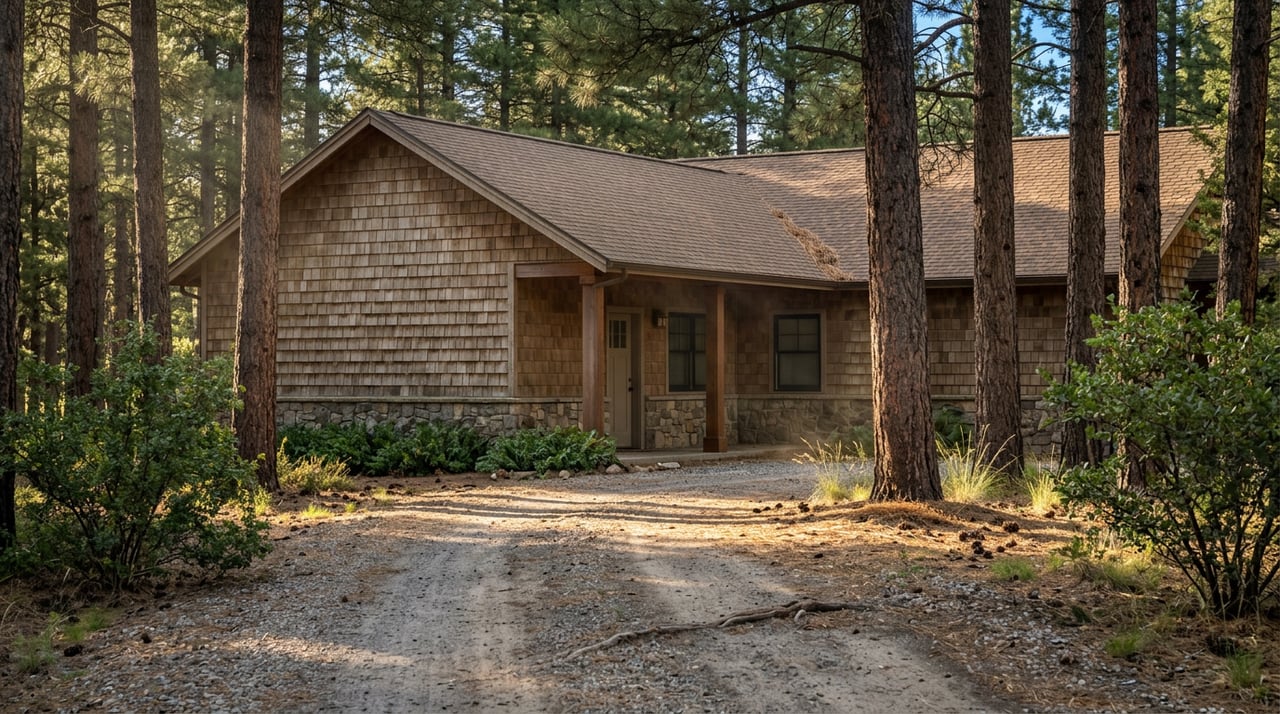
Use native or drought-tolerant species that fit your sun or shade conditions. Deciduous trees allow winter sun and provide summer shade, while conifers offer winter wind protection but add shade that slows melt. Match plant choices to the microclimate on each side of the home.
Permits, reports, and due diligence
Hillside construction commonly requires geotechnical reports, engineered foundations, and grading permits. El Paso County Planning and Development is the lead agency for building and grading. Before you buy, request existing site studies, prior permits, and recorded easements.
Stormwater and driveway design should direct roof and meltwater away from structures and public ways. Some communities also have covenants that govern vegetation, fences, and retaining walls, which can affect how you solve orientation-related challenges.
South vs north at a glance
South-facing lots
- Strong winter solar gain and faster snowmelt on sun-exposed surfaces.
- Better passive-solar potential and brighter winter interiors.
- Longer shoulder-season use of decks and patios.
- May need shading or overhangs to manage warm shoulder seasons and summer.
North-facing lots
- Cooler year-round with longer-lasting snow and ice.
- Consistent, softer daylight for certain rooms or uses.
- Often require more snow management and traction planning.
- May preserve certain evening or city-light views depending on topography.
The best choice depends on your priorities: winter access and solar gain, or cool shade and specific views.
How to evaluate a Skyway lot
On-site visit checklist
- Visit at morning, midday, and late afternoon to see sun and shade patterns.
- If possible, visit after a storm and on a clear winter day to gauge melt rates.
- Walk the driveway approach. Note grade, turning radius, and likely snow storage zones.
- Look for low spots and drainage paths where meltwater could refreeze.
Documents to request
- Any geotechnical reports, grading or drainage plans, and foundation designs.
- Records of snow-removal practices and who maintains the access road.
- HOA covenants and design rules affecting landscaping or retaining walls.
- Utility maps that show septic or sewer, water, and electrical lines.
Questions for local experts
- Ask a geotechnical engineer about slope stability and safe driveway grades.
- Ask snow-removal contractors how they handle steep or shaded Skyway drives and where they pile snow.
- Ask solar and heated-driveway installers for expected winter performance given aspect and shading.
Helpful tools and resources
- Use sun-path apps to visualize seasonal sun and shade on the exact site.
- Check county planning maps for boundaries, setbacks, and easements.
- Consult local extension guidance for foothills plant lists and slope stabilization basics.
Bottom line
In Skyway, orientation is not just a compass note on a listing. It affects winter comfort, driveway safety, energy performance, and how you enjoy your outdoor spaces. South-facing lots generally offer easier winter living. North-facing lots can deliver cooler microclimates and certain views, but they demand more planning for snow and ice.
The smartest move is to pair your priorities with site-specific due diligence. Visit at different times, study drainage, and bring in the right experts before you commit. If you want a clear plan tailored to your goals, connect with a local advisor who knows these hills well. Reach out to Benjamin Kennedy to compare your short list and map the fastest path to the right Skyway lot.
FAQs
What changes most about winter living on a north-facing Skyway lot?
- Expect cooler surfaces, longer-lasting snow and ice, and more frequent snow removal compared to south-facing lots.
How does driveway orientation affect snow and ice in Skyway?
- South-facing drives get more midday sun that speeds thaw, while north-facing or shaded drives often stay icy for days after storms.
Can a north-facing lot still work if I want solar panels?
- Yes, but you may need a south-facing roof plane or array placement to capture strong production since true south orientation performs best.
Which permits or reports should I verify for a Skyway hillside build?
- Confirm geotechnical reports, engineered foundation plans, grading and drainage approvals, and any HOA covenants that affect exterior work.
What landscaping helps manage erosion and meltwater on slopes?
- Terracing, retaining structures, and native plantings that slow runoff, paired with grading that moves water away from structures and walkways.
How do trees affect sun and snow behavior around a home?
- Conifers shade and block wind but slow melt, while deciduous trees allow winter sun and provide summer shade when in leaf.