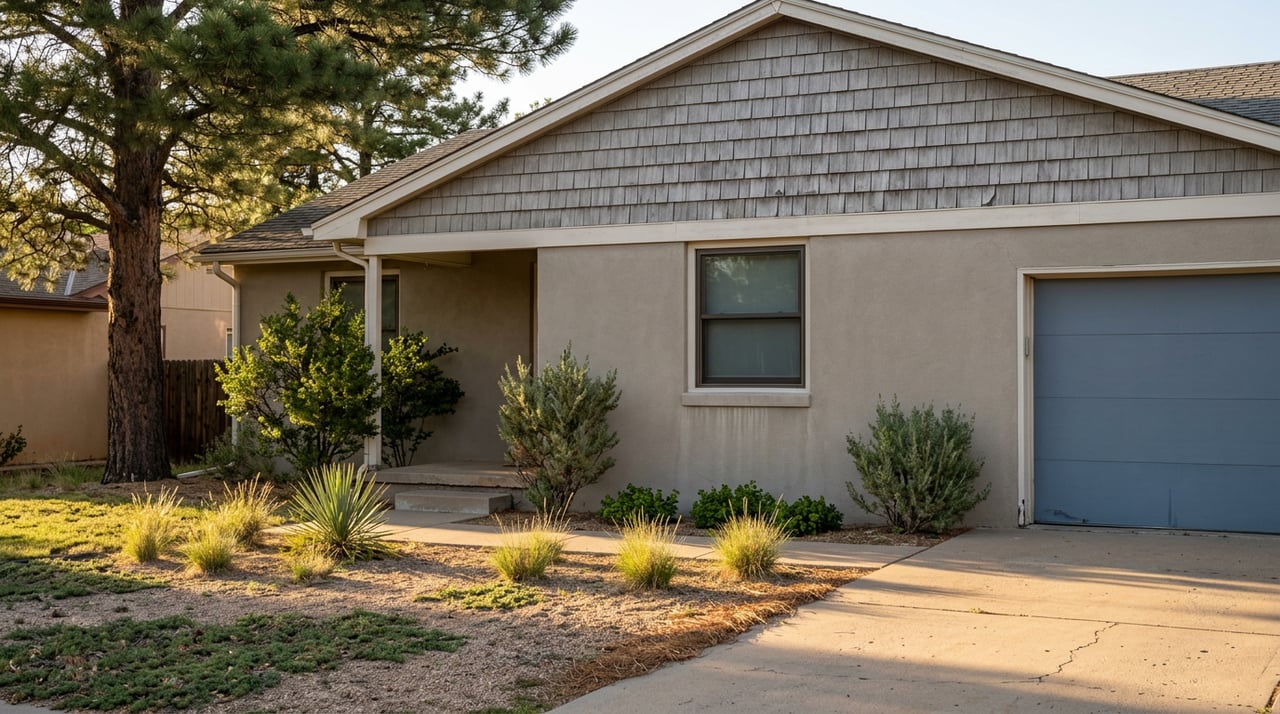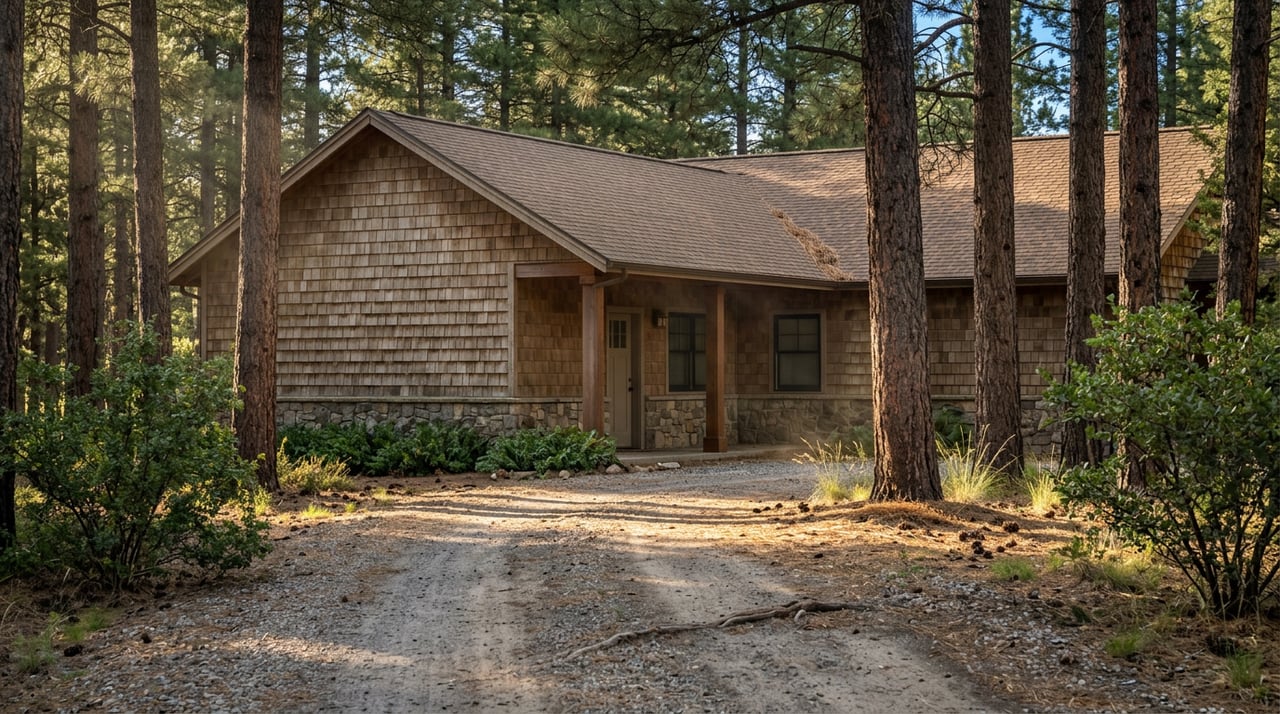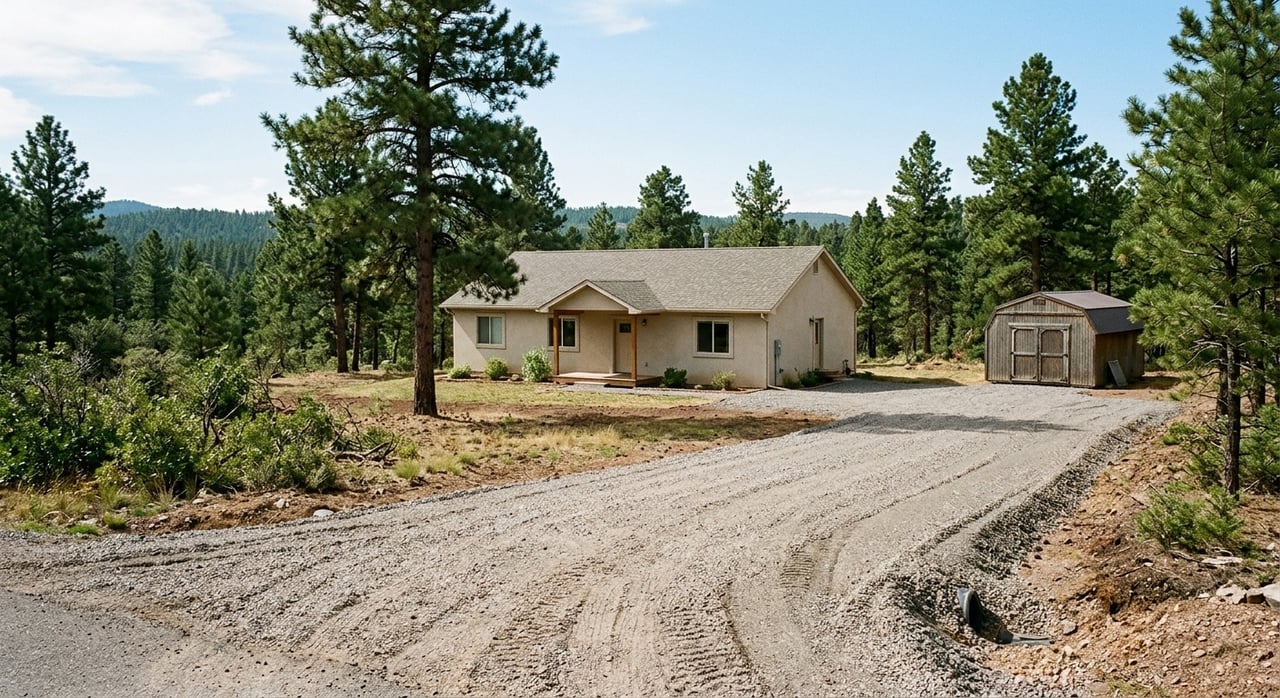
If you are dreaming about more elbow room, taller pines, and a little more distance from the pace of the city, Black Forest can feel like the answer. Acreage living here offers privacy, room to spread out, and a true rural-residential setting, but it also asks more of you as an owner. Before you buy, it helps to understand what daily life on acreage really looks like, from roads and utilities to wildfire upkeep and land-use rules. Let’s dive in.
Why Black Forest acreage feels different
Black Forest is not conventional suburbia with larger lots. In county planning materials, the Black Forest Timbered Area is intended to retain a primarily rural-residential character with limited supporting commercial and industrial development, and county staff note an overall average minimum lot area of 5 acres in that area.
That matters because the appeal is tied to the trade-off. You may gain space, privacy, and flexibility, but you may also take on more property management than you would in a typical neighborhood. In Black Forest, the land is part of the lifestyle, not just the backdrop.
What acreage living usually means
On a practical level, rural life often means you need to think beyond the house itself. El Paso County’s rural buyer checklist advises buyers to evaluate access, utilities, wildfire exposure, easements, water rights, and nearby development before making a purchase.
That is one of the biggest mindset shifts for acreage buyers. A beautiful house on five or more acres can still come with real questions about driveway access, service reliability, and what you can actually do with the land. The smartest purchases happen when you look at the full property system, not just the floor plan.
Roads and access matter more than you think
County road or private road?
One of the first questions to ask is whether the road is county maintained or private. That single detail can affect your costs, convenience, and expectations for snow removal, grading, and long-term upkeep.
El Paso County notes that converting a private road to county maintenance is usually difficult and expensive. It can require survey work, engineering, drainage upgrades, contractor work, right-of-way dedication, and road design improvements. In other words, if a road is private today, you should plan on it staying that way unless proven otherwise.
Rural maintenance is different
Even county-maintained roads follow a rural service model rather than an urban one. El Paso County maintains more than 2,000 centerline miles of roads, about half of them gravel, and most gravel roads are maintained on a six-to-eight-week schedule.
The county also states that gravel roads receive grading, dust abatement, and regraveling as needed, while winter plowing priorities focus first on life safety and emergency access. If you are used to city streets being cleared quickly and frequently, this is an important expectation reset.
Your driveway may be your responsibility
On acreage, ownership responsibilities often extend beyond the home. El Paso County says homeowners are responsible for the culvert under their driveway and 10 feet on each side.
The county’s rural checklist also notes that some homes are served by private road associations, school buses only use maintained county roads on designated routes, and mail delivery is not available everywhere. Those details can shape your daily routine more than many buyers expect.
Dust, mud, snow, and traction
Unpaved roads are part of the Black Forest experience for many owners. El Paso County warns that rural roads can generate dust, some county roads are not maintained, and severe weather may require four-wheel drive or chains.
That does not make acreage living less appealing. It simply means access is something to evaluate carefully before you fall in love with the setting.
Wells, septic, and rural utilities
Water and wastewater are often private systems
Many Black Forest acreage properties are not tied into municipal water and sewer. Instead, buyers often need to understand private wells and on-site wastewater treatment systems, also called OWTS.
El Paso County Public Health regulates OWTS for properties that are not served by a municipal wastewater system, and it estimates there are about 30,000 operating OWTS in the county. The agency also warns that not all parcels have complete OWTS records on file, so documentation should be verified early.
Well permits deserve close review
For water supply, the Colorado Division of Water Resources oversees well permitting. The well permit file may include allowable uses for the well, along with construction and pump installation records.
That is especially important if you are considering a vacant parcel, planning a new build, or replacing an existing well. The Division of Water Resources states that review of a complete well application can take up to 49 days, which can affect your timeline.
Utility service may not feel like city service
A rural property can offer freedom, but services may not operate at urban standards. El Paso County’s rural checklist says water, sewer, electric, telephone, and other services may be unavailable or may not function at the level many buyers expect in town.
The same checklist notes that power outages can interrupt a well, phone and cellular service may be limited, trash service can cost more, and recycling pickup is unavailable in most rural areas. If you work from home or rely on consistent connectivity, this is worth checking in advance.
Water is more than a utility
For many acreage buyers, water is also a land-use question. If you hope to maintain gardens, fruit trees, pasture, or animals, El Paso County advises that water rights sold with a property may not be enough for those uses.
That makes water one of the most important due diligence items in Black Forest. It can influence how you use the property, what it costs to maintain, and whether the land truly fits your long-term plans.
Wildfire upkeep is part of ownership
Black Forest sits in a wildland interface
Wildfire mitigation in Black Forest is not a one-time weekend project. Black Forest Fire Rescue says its district covers 52 square miles, serves around 40,000 people, and includes large areas where homes meet wildlands.
The district offers free Firewise assessments and free on-site consultations. It encourages homeowners to create defensible space and more defendable structures, which makes mitigation an ongoing part of ownership.
Defensible space has clear zones
Colorado State Forest Service guidance organizes wildfire protection around the home ignition zone. That includes Zone 1 from 0 to 5 feet, Zone 2 from 5 to 30 feet, and Zone 3 from 30 to 100 feet.
The same guidance emphasizes home hardening measures such as Class A roofing, screened vents, tempered glass, and keeping combustible fencing or gates away from the home. These are practical improvements that can become part of your long-term property plan.
Cleanup is recurring, not optional
In Black Forest, forest management is part of normal maintenance. El Paso County operates the Black Forest Slash & Mulch site to support wildfire mitigation and forest management by accepting slash, tree limbs, and other natural wood debris, with limits on what can be dropped off.
For owners, that translates into regular pruning, debris hauling, perimeter checks, and upkeep around roofs, gutters, and outbuildings. Wind, dry vegetation, and seasonal conditions can shift quickly, so staying ahead of the work matters.
Horses, hobby farms, and legal use
Acreage does not guarantee every use
A large parcel can suggest flexibility, but zoning still controls what is allowed. El Paso County’s Land Development Code states that keeping horses is treated as a private or commercial stable, and horses cannot be kept in zoning districts that do not allow a stable.
The code also states that livestock are allowed in any agricultural zoning district and in association with a hobby farm. That distinction is important because a property marketed with a rural feel is not automatically approved for every animal-related use.
Tax status and zoning are not the same
Some buyers assume acreage with animals automatically receives agricultural tax treatment. El Paso County’s assessor states that agricultural classification is based on actual use, not zoning.
The assessor also specifically notes that grazing and boarding pleasure horses does not qualify as ranching use for assessment purposes. If tax treatment is part of your planning, it needs to be reviewed separately from zoning.
Fencing and water still matter
The county’s rural checklist reminds buyers that Colorado follows open range law, meaning livestock exclusion is generally the landowner’s responsibility. It also warns buyers to verify whether water rights are sufficient for livestock, gardens, or pasture.
That means a horse setup or hobby farm is not just about having enough acreage. It also depends on legal use, fencing, water, and day-to-day management.
A practical checklist before you buy
If you are considering acreage in Black Forest, focus on these questions early:
- Is the road county maintained or private?
- If the road is private, who pays for grading, drainage, snow removal, and repairs?
- Is there a well, and what does the permit allow?
- Is there an OWTS, and are the records complete?
- What maintenance costs should you expect for septic, road access, culverts, and tree work?
- Does the zoning allow horses, livestock, a stable, or hobby farm use?
- Are water rights adequate for your intended use of the land?
- How much annual wildfire mitigation and home hardening should you budget for?
- Are cell service, power reliability, trash service, and mail delivery acceptable for your needs?
These questions may not be glamorous, but they are what separate a good acreage fit from an expensive surprise.
The upside of life on acreage
For the right buyer, Black Forest acreage can offer a hard-to-find combination of privacy, scale, and connection to the land. You may have room for outbuildings, trail access nearby, forested views, and a quieter daily rhythm than you would find in a more conventional neighborhood.
It can be a great fit if you want space and are comfortable with the responsibilities that come with it. The key is to buy with clear eyes and a solid understanding of how the property functions in real life.
If you are weighing acreage in Black Forest and want practical guidance on how a property will live day to day, Benjamin Kennedy can help you look past the marketing photos and focus on the details that matter.
FAQs
What makes acreage living in Black Forest different from suburban living?
- Black Forest is planned as a primarily rural-residential area, and many properties require more owner involvement with access, utilities, wildfire mitigation, and land management than a typical suburban home.
What road questions should you ask before buying acreage in Black Forest?
- Ask whether the road is county maintained or private, who handles grading and snow removal, whether a road association exists, and whether driveway culverts or drainage work will be your responsibility.
What utility systems are common on Black Forest acreage properties?
- Many properties rely on private wells and on-site wastewater treatment systems rather than municipal water and sewer, and service levels for power, phone, and trash may vary from urban standards.
What should you know about wildfire mitigation for Black Forest homes?
- Wildfire mitigation is ongoing and can include defensible space work, tree and brush cleanup, debris hauling, and home hardening steps such as screened vents, tempered glass, and fire-resistant roofing.
Can you keep horses or livestock on any acreage parcel in Black Forest?
- No. Whether you can keep horses or livestock depends on the parcel’s zoning and whether the code allows uses such as a stable or hobby farm.
Why are water rights important for acreage property in Black Forest?
- Water rights can affect whether you have enough water for intended uses like gardens, pasture, fruit trees, or livestock, so they should be reviewed as a separate part of due diligence.