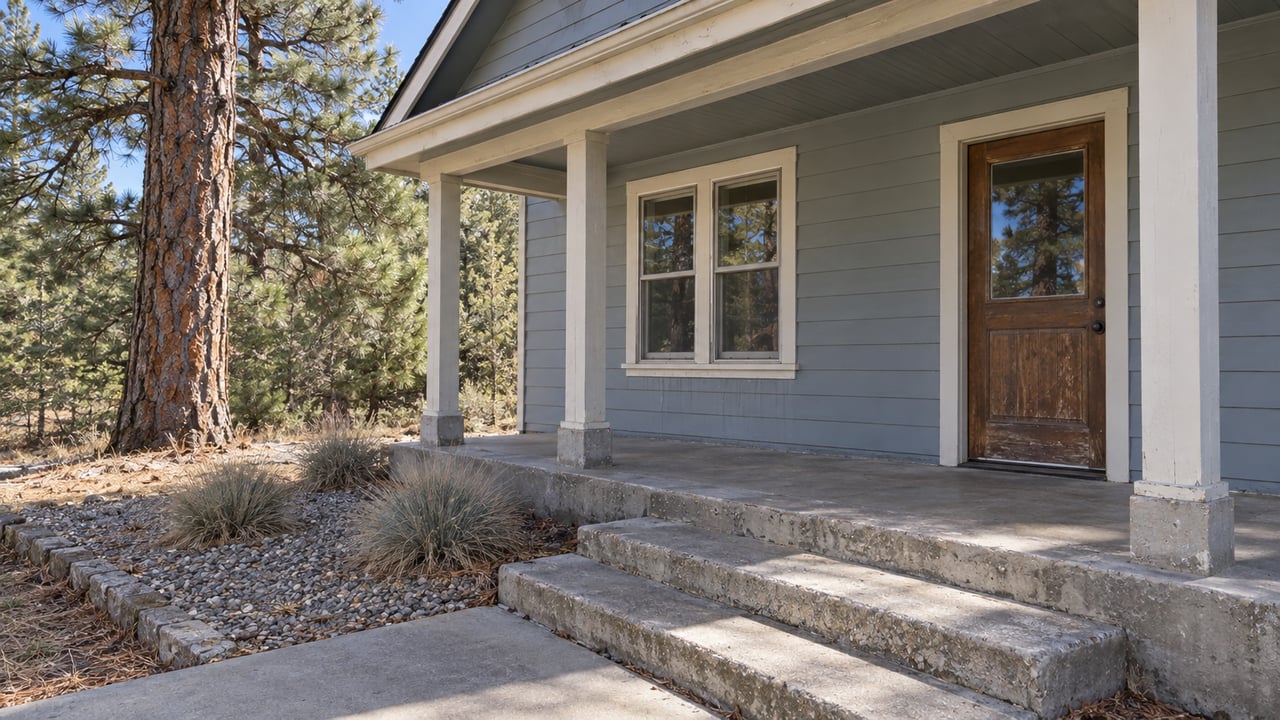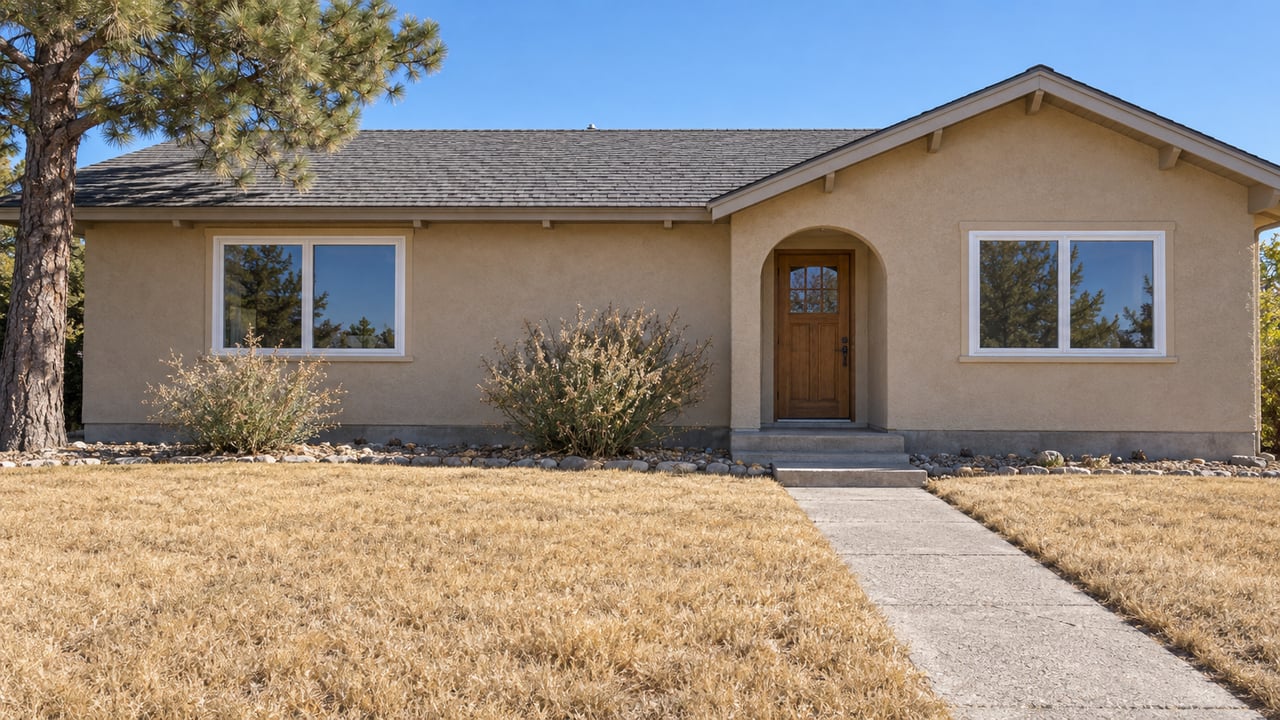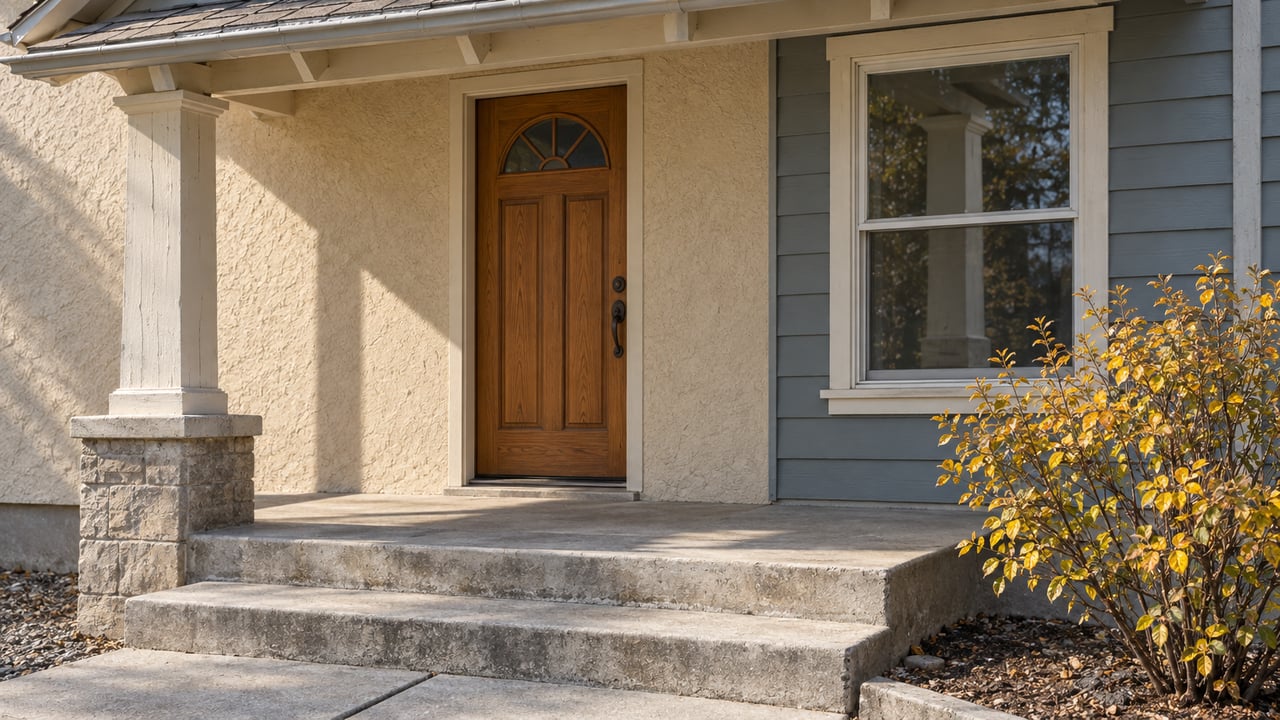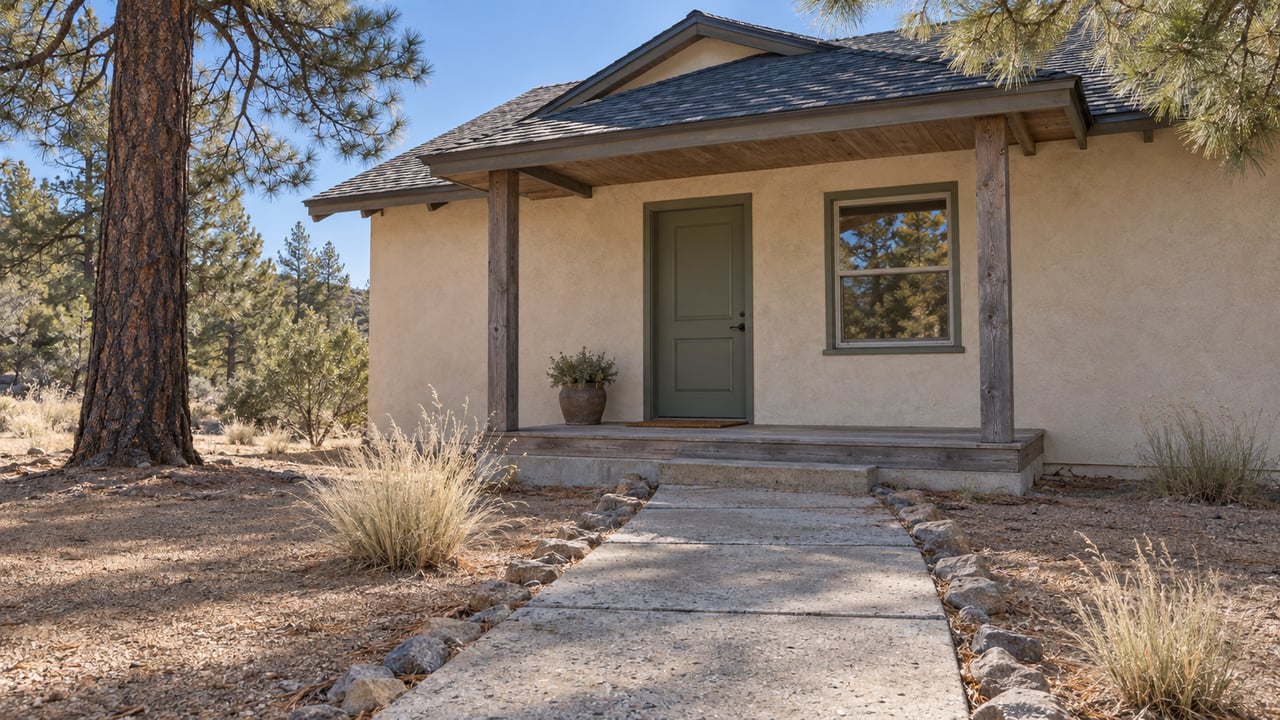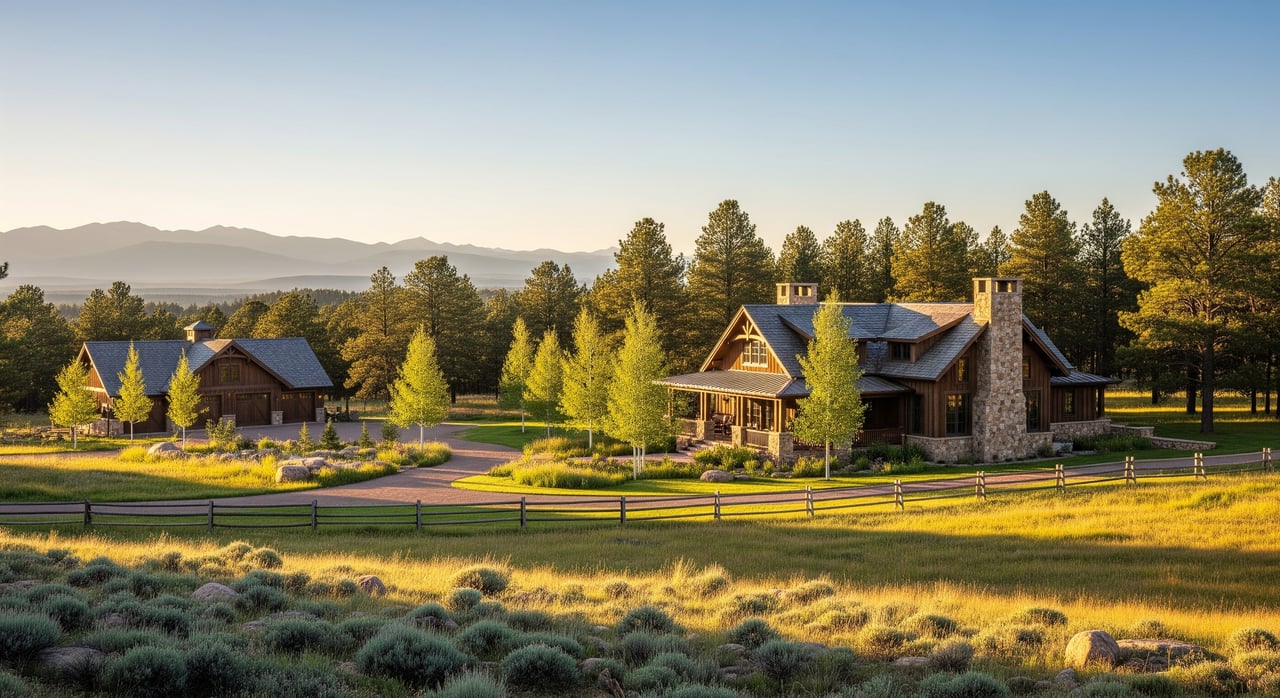
Craving tall pines, extra elbow room, and starry skies? Black Forest offers all three, but buying acreage here takes a different playbook than a typical in-town home. You might be weighing questions about wells, septic, private roads, covenants, and wildfire insurance. This guide walks you through what matters most so you can buy land or a larger-lot home with confidence. Let’s dive in.
Black Forest basics
Black Forest is a primarily rural, unincorporated area in El Paso County on the northeast side of Colorado Springs. Many properties are large residential lots, ranchettes, or small farms. Because so much of the area sits outside city limits, zoning, land use, and most permitting runs through county and regional offices rather than the City of Colorado Springs. Always confirm the governing jurisdiction for the exact parcel you are considering.
Wildfire is a real factor in Black Forest. The community experienced a major wildfire in 2013. That history influences insurance availability and cost, as well as mitigation expectations like defensible space. Other site considerations include floodplains, drainage on sloped or arroyo-prone lots, and soil or rock conditions that affect building.
Lot sizes often range from 1 to 40 or more acres. Older subdivisions may have private covenants and privately maintained roads. Some newer lots or smaller acreage parcels sit within special districts that provide limited services. Understanding those layers early will save surprises later.
Covenants and HOAs: rules that matter
In many planned subdivisions and ranchette communities, deed covenants and HOA rules shape what you can build and how you can use the property. Architectural Control Committees often review outbuildings and exterior designs.
These private rules can be more restrictive than county zoning. You might see limits on manufactured homes, exterior materials, fencing, livestock, vehicle or equipment storage, and the number or size of outbuildings. Covenants sometimes prohibit horses or barns even if county zoning would otherwise allow them. Association dues and any road or architectural review fees also affect long-term carrying costs.
Before you fall in love with a property, request the full set of CC&Rs and amendments. Ask for the HOA’s latest financials and meeting minutes if an association exists. Confirm whether there are active compliance notices. If the seller obtained variances or special-use approvals in the past, verify whether those approvals transfer to a new owner.
Access, roads, and easements
Legal access is not the same as a driveway you can see. Some parcels are landlocked or rely on unrecorded access. These are red flags.
Determine if the road serving the lot is public or private. El Paso County maintains only public roads. Many rural roads and shared drives are private, which means the owners pay for grading, snow removal, dust control, and long-term maintenance. If there is a road maintenance agreement, obtain a copy and review how costs are shared.
Look for recorded easements that affect use, such as utility corridors, pipeline or mineral rights, and any conservation or trail easements. Drive the road in different seasons and after storms to gauge drainage and passability. Ask neighbors about typical maintenance responsibilities and costs.
Water, septic, and utilities
Water is the lifeblood of any acreage property. Many parcels in Black Forest rely on private wells. New wells generally require permits from the Colorado Division of Water Resources. If a parcel already has a well, verify the permit status, review production records, and order current water-quality testing. In some areas, service comes from a small water district or private water company. If that is the case, confirm service agreements, tap fees, and monthly or usage charges.
Most rural lots use on-site wastewater treatment systems. Septic permits, sizing, setbacks, and percolation testing are handled by county public health and guided by state standards. Older systems may not meet current codes and could require upgrades or replacement before a sale or for any planned improvements.
Electric service in the region includes cooperative and municipal providers. Mountain View Electric Association serves many rural areas. Natural gas distribution is available in parts of the county through providers active in Colorado, but many acreage homes rely on propane for heating. Confirm the distance to the nearest power source and get estimates for any needed line extensions. If overhead lines cross the property, clarify any maintenance obligations.
Internet performance varies widely. Fiber often does not reach deeper acreage areas. Options may include fixed wireless, satellite, or cellular hotspots. If you work from home or need high upload speeds, verify real-world service and speeds with providers before you commit.
Solar arrays, backup generators, and propane tanks are common on acreage. These can trigger permitting and may be subject to HOA review. Plan ahead to avoid delays.
Permitted uses, outbuildings, and animals
There is a dual-approval reality in Black Forest. County zoning sets the baseline for allowed uses, but private covenants can be more restrictive. Do not assume that county allowances override your neighborhood’s rules.
Accessory buildings such as barns, shops, and large garages often require building permits above certain size thresholds, and any plumbing or electrical work will be inspected. Setbacks, height limits, and fire-safety requirements apply. Horse facilities bring extra considerations such as manure storage, fencing, corral setbacks, and water access. Some codes or covenants may limit the number of animals per acre.
Environmental factors matter too. Manure runoff, odor, and fly control can trigger complaints. If you plan an arena, indoor riding ring, or commercial boarding, you may need a special-use or conditional-use permit. Gather existing site plans, well and septic records, and any as-built drawings. If you are planning a large barn or shop, engage a designer or builder familiar with local rules early.
Pricing acreage: how to value it
Price per acre sounds simple, but it can be misleading. Land value depends on usable acreage, not just total acreage. Steep slopes, drainages, wetlands, and heavy easements reduce what you can actually use.
Appraisers typically adjust for multiple variables:
- Usable vs gross acres
- Utility proximity and the cost to extend service
- Access type and road maintenance
- Zoning, covenants, and permitted uses
- Views, privacy, and topography
- Existing improvements such as wells, septic systems, barns, fencing, and arenas
- Unique features like water rights, irrigation ditches, ponds, or pastures
A practical way to think about value is the “bundle” approach. Start with land priced by usable acres, add the contributory value of improvements, add a premium for desirable permitted uses such as horse readiness, then discount for restrictions or costly development items. If you plan to build or run livestock, compare both vacant-land comps and improved acreage sales. Consider hiring an appraiser who specializes in rural or agricultural properties.
Your due diligence checklist
A smart process protects you from costly surprises. Use this step-by-step checklist as you evaluate a property.
Pre-offer
- Ask the seller or listing agent for the survey or plat, recorded easements, well permit and latest water test, septic permit and maintenance records, CC&Rs and HOA bylaws, any road maintenance agreements, and recent tax and special district statements.
- Visit the property multiple times and at different times of day and seasons. Note drainage, road conditions, and neighboring uses.
- Check hazard overlays and maps for floodplains, wildfire risk, drainage paths, slope, and soil types.
Under contract
- Title review: search for easements, mineral reservations, liens, and restrictions. Confirm legal ingress and egress. Clarify whether any access is prescriptive.
- Survey: order a boundary or ALTA survey to verify acreage, fences, encroachments, and easements.
- Water: confirm well permit status with state records, schedule a pump test, and run water-quality testing for coliform, nitrates, and total dissolved solids. If a water district serves the area, verify boundaries and fees.
- Septic: schedule an inspection, gather prior permits or perc data, and confirm current setback requirements for planned improvements.
- Soils and environment: if you plan to build, obtain a geotechnical evaluation. Check for wetlands or protected habitats.
- Utilities: verify availability and get written estimates for extending electricity, gas, and internet. Confirm propane options if natural gas is not available.
- Zoning and uses: verify allowed uses with El Paso County. If you plan horses, a large shop, or any commercial activity, determine whether a special-use permit is required.
- Fire and emergency services: contact the local fire protection district for response info, hydrant locations, and defensible-space requirements.
- HOA and covenants: have an attorney review CC&Rs for restrictions, amendment procedures, and enforcement history.
- Minerals and oil or gas: determine whether the surface estate is subject to mineral rights or leases that could affect use.
- Insurance: confirm the availability and likely premiums for homeowners and wildfire coverage. Some insurers may require mitigation work.
Before closing
- Confirm prorations for any road funds, HOA dues, or special district assessments.
- Ensure required permits and transfers, such as well and septic, are documented in escrow.
- Review the final title commitment and recorded deed. Confirm the title insurer’s coverage and accepted exceptions.
Wildfire, insurance, and safety planning
Wildfire shapes best practices in Black Forest. The 2013 event raised awareness of exposure, mitigation, and insurance. Expect requests for defensible space and ember-resistant design choices when you build or remodel. Local fire protection districts can share guidance on response, hydrant access, and community expectations.
Insurance carriers evaluate parcel conditions, proximity to fuels, and mitigation status. Some may exclude high-risk areas or require documented mitigation before binding coverage. Budget time and funds for vegetation thinning, fuel breaks, and ignition-resistant landscaping. The effort not only helps with insurance but also protects your investment and improves safety.
How we help buyers in Black Forest
Buying acreage is part real estate, part land development. You benefit from a team that can read surveys, evaluate improvements, and pressure-test assumptions about wells, septic, access, and use. You also benefit from clear, no-drama communication with the county, regional building, environmental health, and local fire agencies.
With an investor-minded approach and local relationships, you get guidance that is practical and candid. That includes sourcing the right inspectors, coordinating due diligence, and negotiating with a focus on what truly affects value. The result is a cleaner contract, fewer surprises, and a property that fits your plans.
Ready to explore Black Forest acreage with a clear strategy and a calm process? Connect with Benjamin Kennedy to map out next steps.
FAQs
What makes Black Forest acreage different from in-town lots?
- It is mostly unincorporated, so county and regional offices handle zoning and permits. You also see more private roads, wells and septic systems, and wildfire-related insurance and mitigation.
How do I verify a private well and septic before I buy?
- Confirm the well permit and production records, schedule a pump test and water-quality test, and have the septic inspected with permit history and setback confirmation.
Who maintains private roads and pays for snow removal?
- If the road is private, owners usually share maintenance under a road maintenance agreement. County crews maintain only public roads, so verify your road’s status in records.
Can I keep horses or build a barn on my acreage?
- Possibly, but you must confirm both county zoning and your subdivision’s covenants. Many outbuildings need permits and must meet setbacks and fire-safety rules.
How should I compare a 5-acre lot to a 20-acre lot?
- Focus on usable acres, not just total size. Adjust for utility access, road type, topography, permitted uses, and the value of improvements like wells, septic, barns, and fencing.