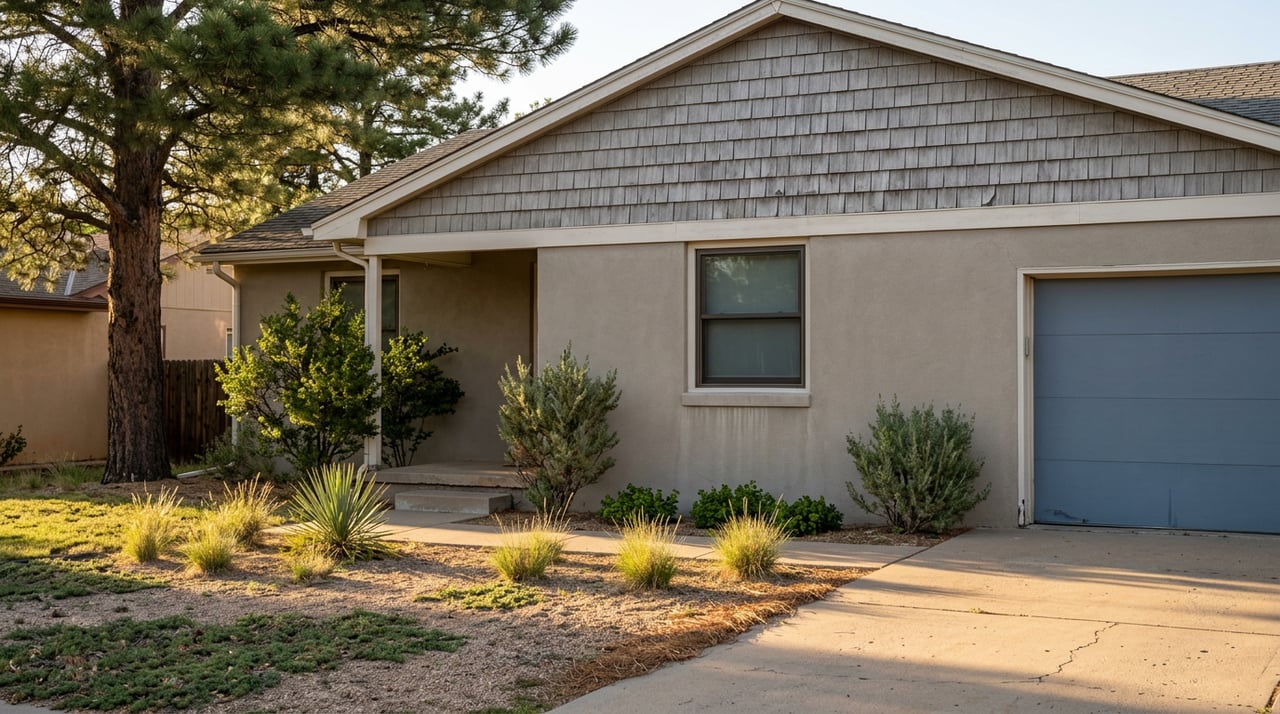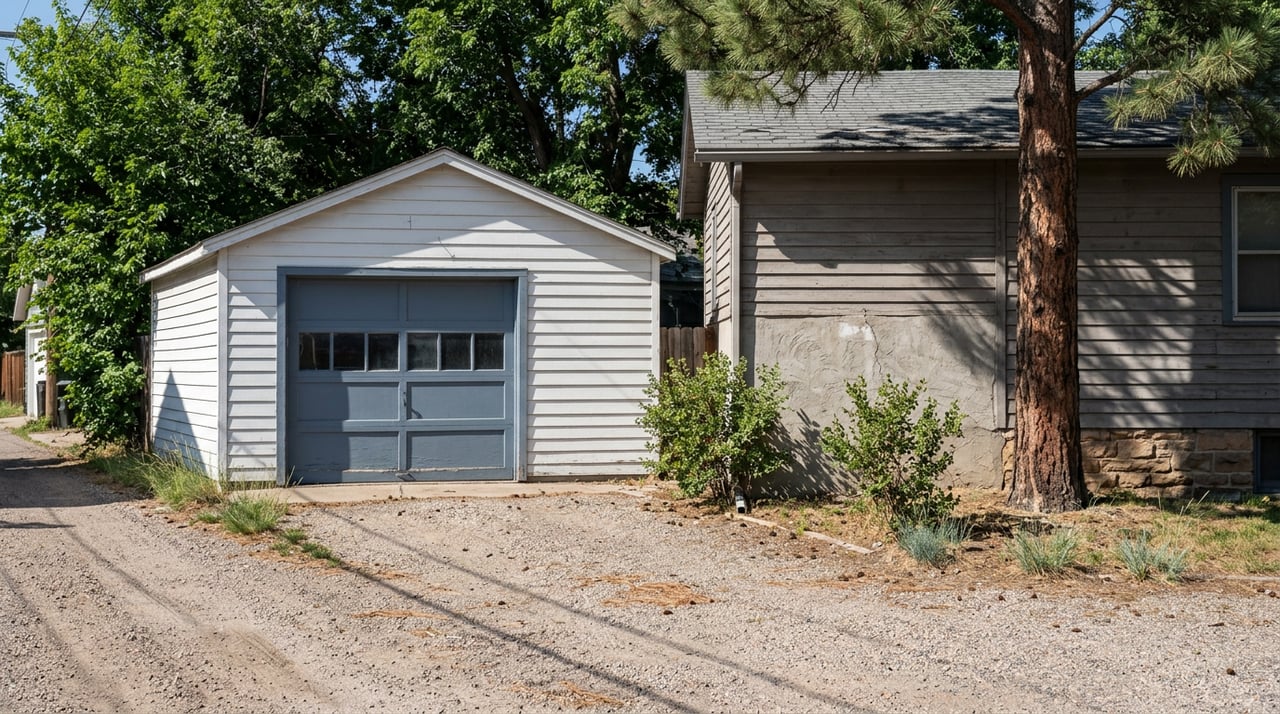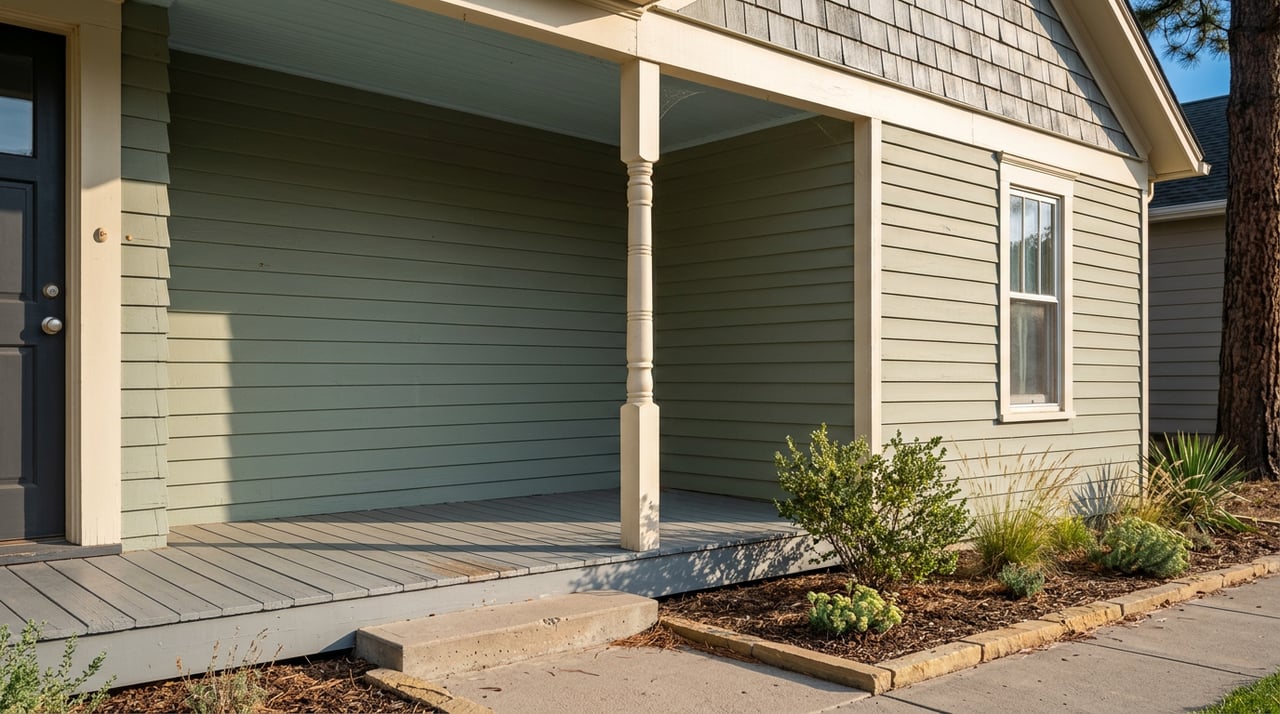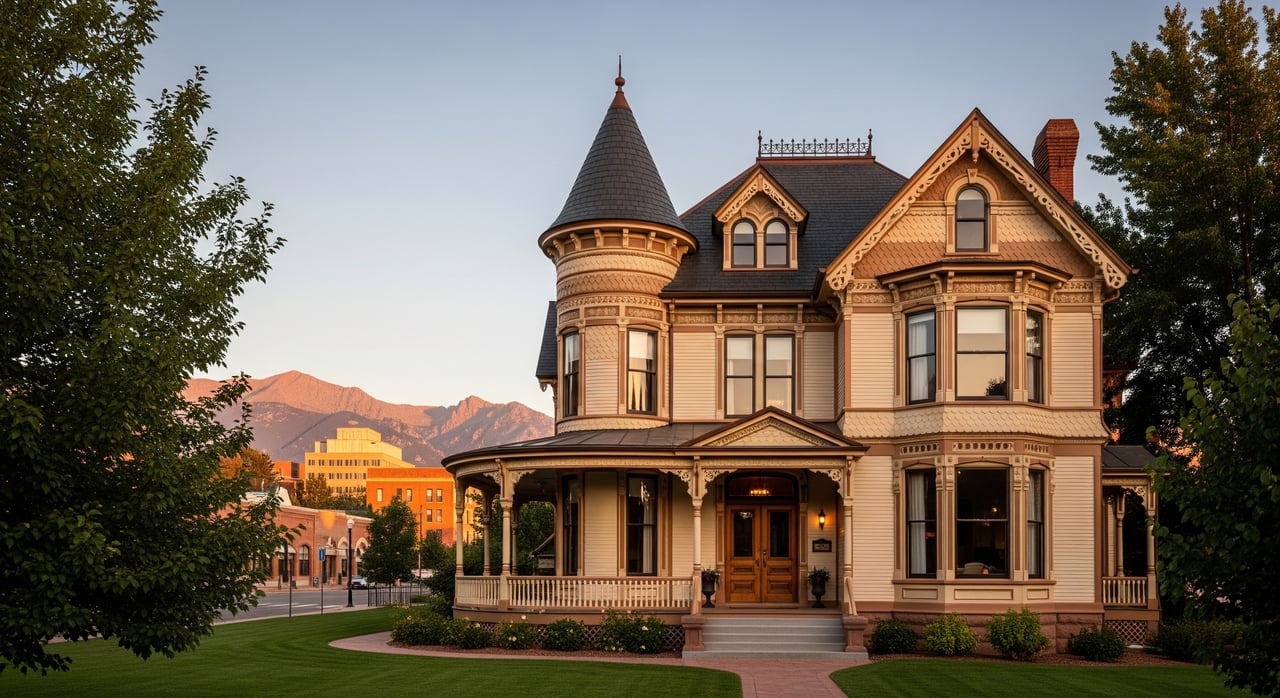
Do you love the character of century-old houses near Tejon Street and Pikes Peak Avenue but wonder what it really takes to buy and renovate one? You’re not alone. Historic homes can be rewarding, but the rules, permits, and costs are different than a typical purchase. In this guide, you’ll learn how historic designations work downtown, what approvals you may need, the renovation realities of prewar homes, and smart steps to protect your timeline and budget. Let’s dive in.
Historic designations explained
Local vs. national designation
“Historic” can mean different things. A property may be a local landmark, part of a local historic district, listed on the National Register of Historic Places, or recognized by the State Historic Preservation Office. Local designation usually carries design review requirements for exterior changes. National Register listing can open the door to tax incentives for qualifying projects, but it does not typically restrict what you can do unless federal funds or permits are involved.
Why status matters
- Local designation often requires a Certificate of Appropriateness for exterior alterations, additions, or demolitions.
- National Register status can enable federal historic tax credits for income-producing properties when work meets the Secretary of the Interior’s Standards.
- Being in a district can support neighborhood character and long-term value, but it may limit certain exterior changes.
How to verify status
Before you write an offer, check whether the home is a local landmark or inside a local historic district through City of Colorado Springs Planning and Historic Preservation. Review whether it appears on the National Register or is listed with History Colorado/SHPO. Ask about any downtown overlay zoning or design standards that may apply to infill, additions, or uses.
Approvals and permits
City historic review and COA
If a property is locally designated or within a local historic district, you typically need a Certificate of Appropriateness before exterior work. Minor items may be approved by staff. Major changes and demolitions usually go to a Historic Preservation Commission hearing. Plan for public notice and hearing schedules when mapping your timeline.
Building permits via PPRBD
The Pikes Peak Regional Building Department issues building, electrical, plumbing, and mechanical permits for Colorado Springs. Structural changes, additions, roofing, and major system work require permits. Separate trade permits are common. Coordinate historic approvals and building permits so your plans align.
Typical timelines
- Staff-level historic review: days to a few weeks.
- Commission hearings: roughly 4 to 12 weeks including notice and scheduling.
- Building permits: a few days to several weeks based on scope and workload.
- Combined effect: expect 30 to 90-plus days for design, approvals, and permits before construction on a moderate exterior project. Larger or controversial projects can take longer.
Lead and asbestos rules
For pre-1978 homes, the EPA’s Renovation, Repair and Painting rule requires certified firms and lead-safe work practices when painted surfaces are disturbed. Asbestos may be present in older insulation, pipe wrap, or flooring; testing and abatement should be performed by qualified professionals. Build these requirements into your scope, costs, and schedule.
Renovation realities
Common prewar issues
Prewar downtown homes often show age in both structure and systems. You may see foundation settlement, aging roof framing, or deteriorated masonry. Many homes still have older wiring, undersized electrical service, galvanized plumbing, or cast-iron drains. Moisture intrusion in basements or crawlspaces and evidence of past pests are not uncommon.
Preserve or replace
Original windows, doors, plaster, trim, and built-ins carry the charm buyers love. Local guidelines often favor repair over replacement for elements like windows. Energy upgrades can come from weatherstripping, storm windows, or interior inserts rather than a full swap. For masonry, correct mortar type and profiles matter to avoid damage.
Safety and testing
Add specialized inspections to your standard home inspection. Consider structural/engineering reviews, licensed electrical, plumbing, and HVAC assessments, lead paint risk assessment, and asbestos testing where materials are suspect. A pest inspection and moisture assessment help you understand hidden risks behind walls and below grade.
Value, insurance, financing
Value drivers
Historic character in a walkable downtown setting can support value, especially when original features are intact and the location connects to cultural amenities. At the same time, exterior change limits and higher maintenance needs can narrow the buyer pool. Appraisals should lean on comparable sales within the immediate downtown micro-area, since blocks near Tejon and Pikes Peak can vary.
Insurance and upkeep
Older systems like knob-and-tube wiring, clay sanitary lines, or wood shake roofing can increase premiums or require upgrades before coverage. Expect higher maintenance costs for specialty work such as masonry repointing or custom millwork. Budget for ongoing care to preserve both condition and value.
Loans and incentives
- Renovation mortgages: FHA 203(k) and Fannie Mae HomeStyle Renovation can combine purchase and rehab into one loan. Work with a lender experienced in historic projects.
- Federal Historic Rehabilitation Tax Credit: generally a 20 percent credit for certified rehabilitations of income-producing historic structures that meet the Secretary of the Interior’s Standards. Primary residences typically do not qualify.
- State or local incentives: Check with History Colorado/SHPO and City programs for any current grants or tax incentives. Many programs require applications and approvals before work starts.
Plan your timeline
Set expectations early. Allow 1 to 3 weeks for specialty inspections and preliminary talks with City historic staff. Design and review can take weeks for small projects and several months for major changes or tax-credit work. Contractor backlogs and specialty trades can extend schedules. Build a contingency for discoveries like rot, structural issues, or hazardous materials.
Buyer checklist
Before you offer
- Confirm local landmark or district status with City staff and review assessor records.
- Order a standard inspection plus structural, electrical, plumbing, HVAC, lead, asbestos, pest, and moisture checks.
- Study recent comparable sales in the immediate downtown sub-area.
- Request maintenance records, past permits, plans, and any prior Certificates of Appropriateness.
Smart contingencies
- Add inspection contingencies that allow specialist evaluations and contractor bids.
- If you plan exterior changes or an addition, consider language tied to historic review outcomes.
- Budget for a larger escrow and timeline flexibility.
Early escrow steps
- Meet with City historic preservation staff to confirm what needs a COA and who reviews it.
- Contact PPRBD for a permit list and estimated plan review times.
- Engage an architect or contractor experienced with historic work to shape plans that align with review standards.
- If pursuing tax credits or grants, contact SHPO early to understand certification and deadlines.
Who to hire
- Historic preservation architect or architect with period-home experience
- Licensed general contractor with historic renovation projects in their portfolio
- Structural engineer as needed
- Certified lead renovator and licensed asbestos professionals
- A real estate agent experienced with historic downtown properties and local permitting
- A lender familiar with FHA 203(k) or HomeStyle Renovation
Is a historic home right?
If you value authenticity, walkability, and the texture of original craftsmanship, a downtown Colorado Springs historic home can be a standout choice. Success comes from planning: verify designation status, map your approvals, hire the right team, and carry a realistic budget and schedule. With clear steps and expert guidance, you can preserve the character you love while modernizing the systems you need.
If you’re weighing options or want a second set of eyes on a property near Tejon Street or Pikes Peak Avenue, let’s talk through scope, comps, and next steps. Connect with Benjamin Kennedy for candid advice and a clear path forward.
FAQs
What makes a home “historic” downtown?
- A property may be a local landmark, part of a local historic district, or listed on the National Register; local status typically brings design review, while National Register status mainly enables incentives for qualifying projects.
Do I need approval to replace windows?
- If the home is locally designated or in a local district, window changes often require a Certificate of Appropriateness, and many guidelines prefer repair or sensitive upgrades over full replacement.
How long do permits and reviews take?
- Staff approvals can be days to a few weeks, commission hearings 4 to 12 weeks, and building permits a few days to several weeks; plan for 30 to 90-plus days before construction on a moderate project.
Are federal historic tax credits available for my residence?
- Federal credits generally apply to certified rehabilitations of income-producing historic properties; primary residences usually are not eligible.
What inspections are essential for a prewar home?
- In addition to a standard inspection, consider structural, electrical, plumbing, HVAC, lead paint, asbestos, pest, and moisture assessments to uncover hidden risks.
Which loans can combine purchase and renovation?
- FHA 203(k) and Fannie Mae HomeStyle Renovation can bundle purchase and rehab; work with a lender experienced in historic renovations and local permitting.