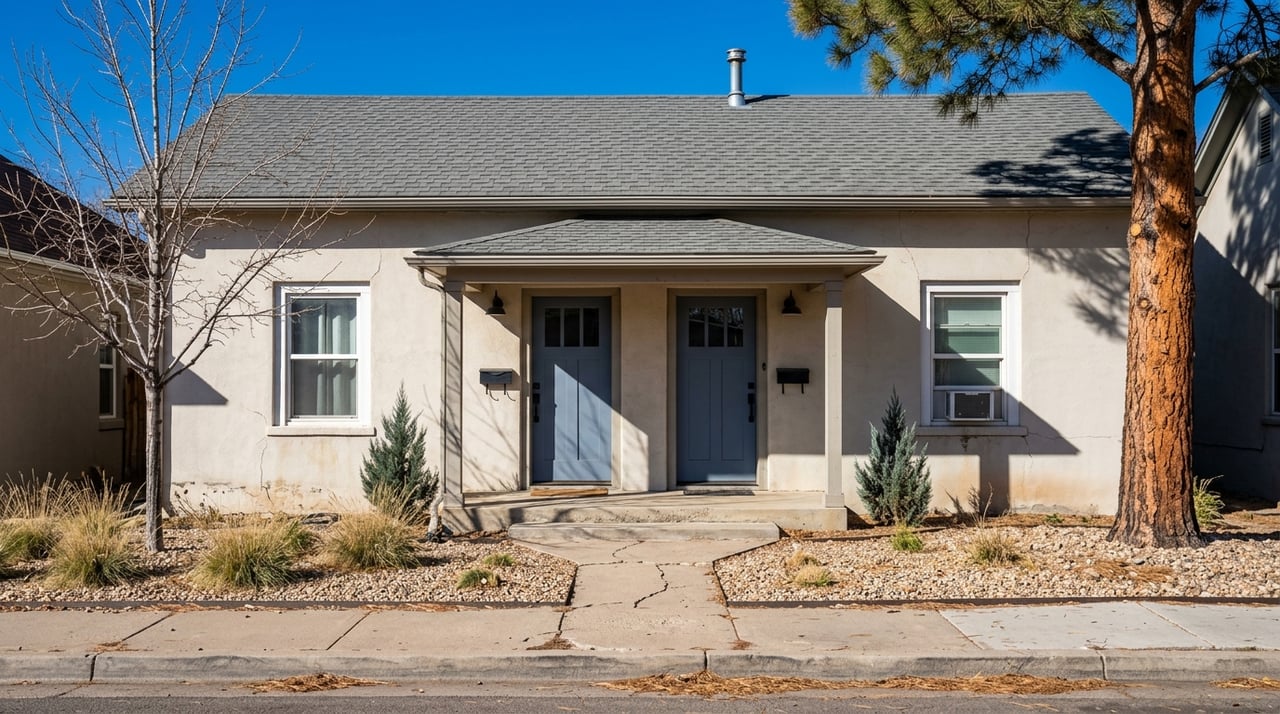
If you want to live near the center of Colorado Springs without carrying the full monthly payment alone, house hacking can be a smart way to make the numbers work. In downtown Colorado Springs, the strategy looks a little different than it does in more suburban parts of the city because the housing stock is denser, more condo-focused, and shaped by local rules. This guide will help you match the right house-hacking approach to the downtown market, understand the biggest constraints, and spot the setups that may offer the best rent offset. Let’s dive in.
Why downtown house hacking looks different
Downtown Colorado Springs is a compact, active district with more than 140 restaurants, bars, breweries, and coffee shops, along with 65-plus shops and galleries. It already has more than 2,000 housing units open, with another 1,000-plus expected by the end of 2026, and city planning materials describe a broader multifamily surge of more than 5,000 units completed, under construction, or in the near-term pipeline.
That matters because your best house-hacking strategy usually depends on the housing type around you. In the downtown core, you are more likely to find studios, lofts, condos, rental apartments, converted historic properties, and tiny homes for rent than a large supply of detached single-family homes. In practical terms, that often makes roommate setups, room rentals, and small multifamily opportunities more realistic than a classic backyard cottage plan.
Best house-hacking strategies downtown
Rent a spare room
For many buyers, the simplest house hack is renting out a spare bedroom or sharing a condo or loft with a roommate. This approach usually has the lowest barrier to entry because you are working with the home as it already exists rather than adding a second unit or taking on a major renovation.
In a downtown setting, this can be a strong fit for two-bedroom condos, lofts with flexible layouts, or older homes near the core that have an extra bedroom and shared living space. If your goal is to lower your payment while keeping your purchase search fairly broad, this is often the most practical place to start.
Buy a small multifamily property
If you want a larger rent offset, a duplex or another one-to-four-unit property may offer a stronger monthly advantage. The classic structure is simple: you live in one unit and rent the others.
For eligible owner-occupants, FHA mortgage insurance is available for primary-residence purchases of one- to four-family homes, and FHA 203(k) financing can also cover purchase and rehabilitation of one- to four-unit structures. That can matter in and around central Colorado Springs, where some older properties may need updates before they fully perform as income-producing homes.
Use an ADU on a detached-home lot
Accessory dwelling units, or ADUs, became more widely available in Colorado Springs under Ordinance 25-45, approved on April 8, 2025. The city now allows one ADU on any property with a single-family detached dwelling, and it recognizes attached, integrated, and detached ADU formats.
This can create a useful path for house hacking, but it is usually more relevant on detached-home lots than in the densest downtown condo blocks. In or near downtown, this strategy may fit better in nearby neighborhoods with older single-family housing stock than in the tightest parts of the core.
Where each strategy fits best
Core downtown properties
If you want to stay in the heart of downtown, the most realistic options are usually a roommate arrangement, a room rental, or a small multifamily purchase if available. The area’s housing mix leans heavily toward condos, lofts, apartments, and converted properties, so you should expect your strategy to work within existing space rather than depend on adding square footage.
For buyers who want walkability and a more urban setup, this can still work well. You may not create a textbook house hack with multiple detached units, but you can still reduce your monthly carrying cost in a meaningful way.
Nearby historic neighborhoods
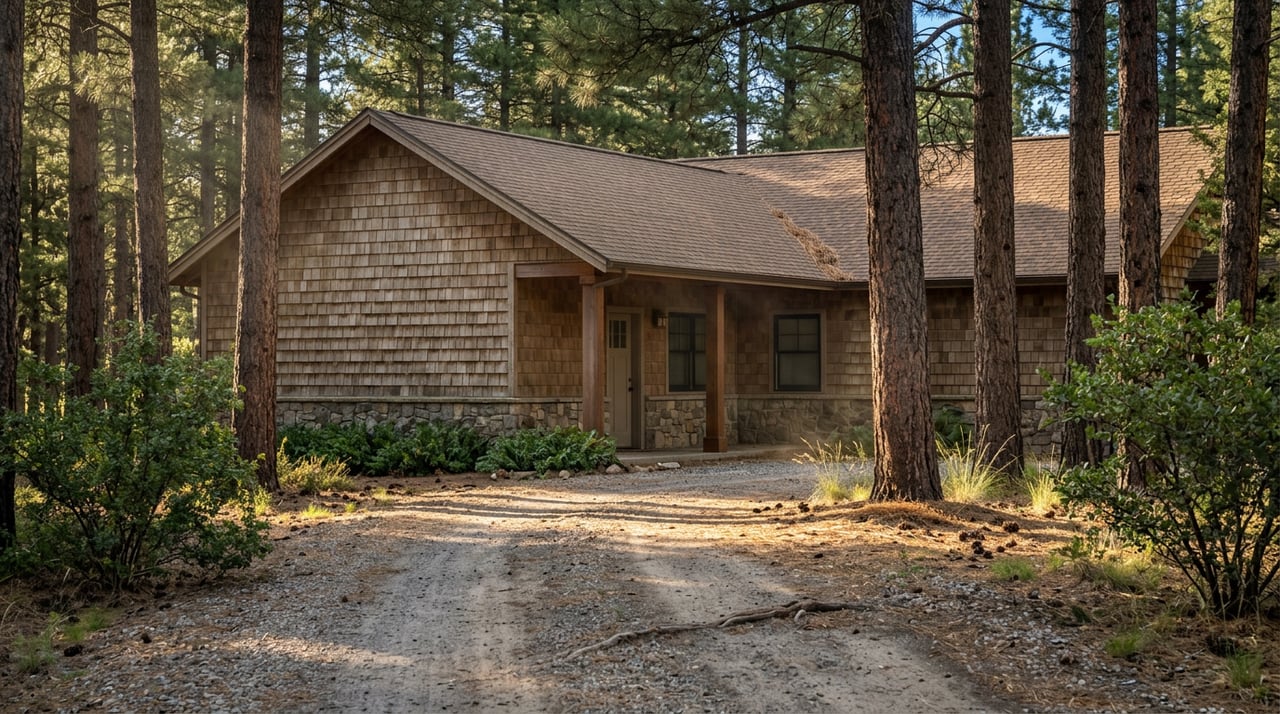
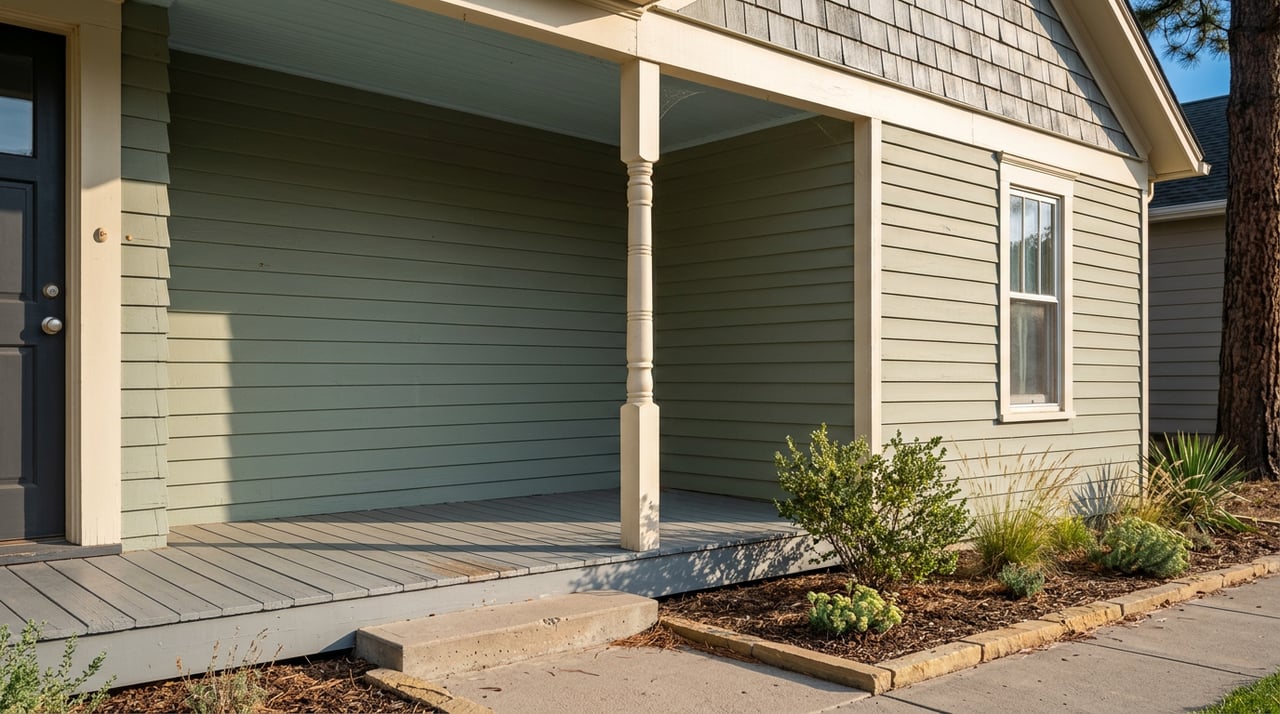
If you are open to living just north of downtown, neighborhoods like Old North End, Patty Jewett, and Historic Uptown offer a different housing profile. These areas include Victorian homes, Craftsman bungalows, and other older residential properties that may better support roommate layouts or ADU potential.
That wider search can give you more flexibility. It may also improve your odds of finding a detached home where an attached or integrated ADU makes sense under the city’s current rules.
What the numbers can look like
House hacking works best when you are clear-eyed about what rent can and cannot cover. The most useful way to think about it is not as a magic formula, but as a way to reduce your out-of-pocket housing cost and improve long-term ownership economics.
Using citywide benchmark figures, here is how two common scenarios compare.
| Scenario | Baseline figures | Estimated result |
|---|---|---|
| Spare-bedroom setup | $445,000 purchase, 10% down, 30-year loan at 6.49% | Estimated principal and interest of about $2,528.80 per month |
| Room rent offset | One-bedroom-equivalent average gross rent of $1,111 | Covers about 44% of principal and interest |
| Duplex or small multifamily | $500,000 purchase, 10% down, 30-year loan at 6.49% | Estimated principal and interest of about $2,841.35 per month |
| Two-bedroom rent offset | Average gross rent of $1,893 | Covers about 67% of principal and interest |
| Three-bedroom rent offset | Average gross rent of $2,519 | Covers about 89% of principal and interest |
These figures are directional only, and the rent numbers are citywide averages rather than exact downtown comps. Still, they show why a rented room can take a noticeable bite out of your payment and why an additional unit can have a much larger impact.
ADU rules you need to know
If an ADU is part of your plan, you need to understand the local rules before you buy. In Colorado Springs, one ADU is allowed per lot on a property with a single-family detached dwelling.
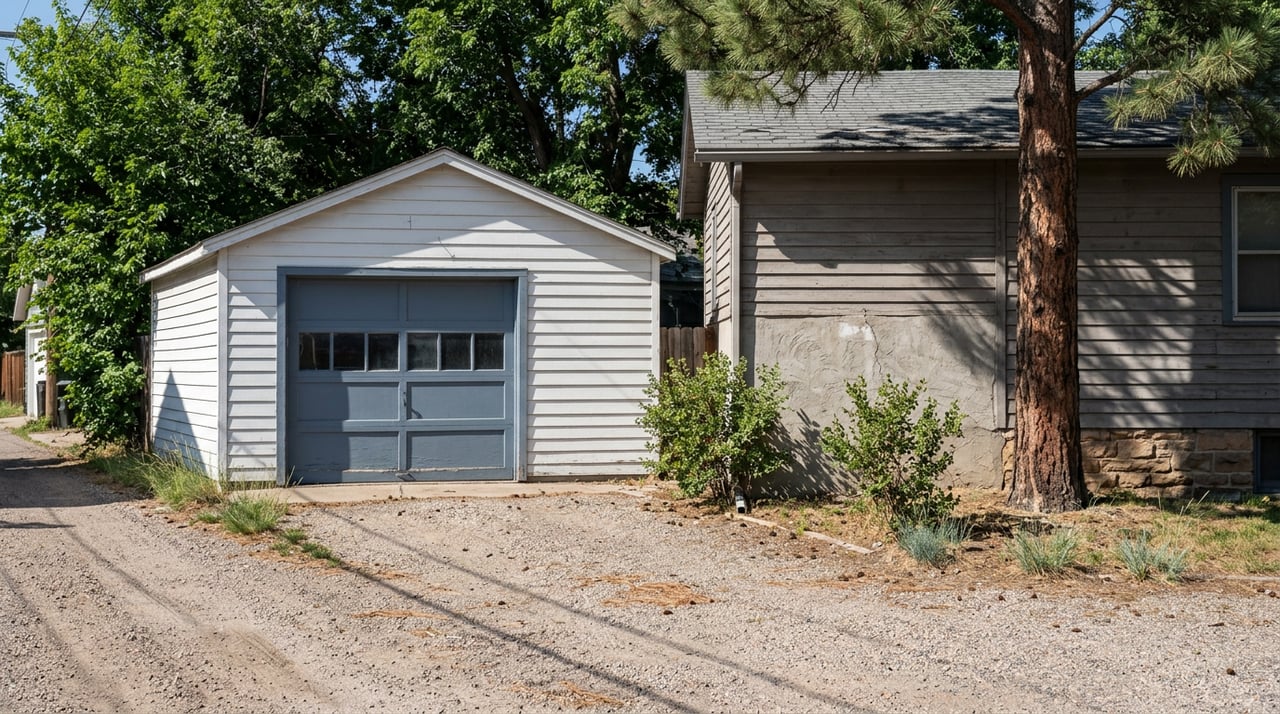
The city allows attached, integrated, and detached ADUs. Detached ADUs are capped at 50% of the primary structure or 1,250 square feet, whichever is less, and the property must provide one additional off-street parking space.
That parking requirement is important downtown. On tighter lots, it may make attached or integrated ADUs easier to achieve than detached backyard units.
You should also know that ADUs cannot be sold separately from the main home. They must be permitted through a building permit process administered by Pikes Peak Regional Building Department, and if the property sits in a Historic Preservation Overlay, you may need a Report of Acceptability before moving forward.
Why short-term rentals are a separate play
A lot of buyers hear “house hacking” and immediately think of nightly rentals. In Colorado Springs, that is a separate strategy with its own rules, and it should not be confused with a standard long-term house hack.
The city uses a separate short-term rental permitting system. Owner-occupied short-term rentals must be physically occupied by the owner for at least 185 days per year, ADUs may not be used as short-term rentals, and non-owner-occupied short-term rental applications submitted after December 26, 2019 are not permitted in single-family zoning districts and face 500-foot spacing rules in other districts.
If your plan depends on Airbnb-style income, you need to underwrite that separately and verify local compliance upfront. For many downtown buyers, long-term renting is the simpler and more predictable path.
Common constraints buyers miss
HOA documents
If you are buying a condo or townhome, HOA rules can be a major factor. The city does not enforce HOA covenants, so you need to review the governing documents yourself before assuming a roommate setup, room rental, or other house-hacking use is allowed.
This is one of the easiest ways a good-looking deal falls apart after contract. A building may work on paper but still limit how you can use the property.
Historic review
Some central Colorado Springs properties fall within historic preservation overlay areas. If you are considering an ADU or exterior changes, that may trigger extra review on top of the standard permit process.
In older neighborhoods near downtown, this step deserves attention early. It is much easier to screen for this before you buy than to discover it during planning.
Taxes and expense tracking
If you rent part of the property, your tax reporting gets more complex. IRS Publication 527 covers rental income, rental expenses, depreciation, casualty losses, and rules that can apply when a property has both personal and rental use.
You do not need to master every tax rule before buying, but you do need a plan. A good CPA can help you understand how to allocate expenses and keep clean records from day one.
How to choose the right downtown strategy
The best approach usually comes down to three questions: what housing type you are willing to buy, how much landlord responsibility you want, and how much rent offset you need to feel comfortable.
If you want the easiest entry point, a spare room or roommate setup is often the cleanest move. If you want stronger income support, a duplex or small multifamily property may be worth expanding your search area. If you are focused on a detached home and long-term flexibility, an ADU strategy can work when the lot, parking, and permitting all line up.
In my view, the key in downtown Colorado Springs is not forcing a national house-hacking template onto a local market that works differently. The smarter play is matching the strategy to the actual housing stock and underwriting it with realistic rent expectations.
If you want help identifying downtown condos, central neighborhoods, or small multifamily properties that fit a house-hack plan, connect with Benjamin Kennedy for direct, data-driven guidance.
FAQs
What is the most realistic house-hacking strategy in downtown Colorado Springs?
- In the downtown core, the most realistic options are usually renting a spare room, sharing a condo or loft with a roommate, or buying a small multifamily property if one is available.
Can you build an ADU in downtown Colorado Springs?
- You may be able to build an ADU if the property has a single-family detached dwelling and meets city rules, including size limits, permitting requirements, and an added off-street parking space.
Are ADUs allowed to operate as short-term rentals in Colorado Springs?
- No. Under current city rules, ADUs may not be used as short-term rentals.
Do HOA rules affect house hacking in downtown Colorado Springs condos?
- Yes. HOA governing documents can restrict or shape what kinds of rentals or occupancy arrangements are allowed, so buyers should review them carefully before purchasing.
Should you search outside downtown for a house hack in Colorado Springs?
- If you want a detached home, more flexible layouts, or ADU potential, expanding your search into nearby historic neighborhoods north of downtown may give you better options.